China has become an important sourcing destination for Bangladeshi businesses.
From electronics and accessories to clothing, household products, packaging materials, and industrial supplies, businesses import a wide variety of products from Chinese manufacturers and suppliers.
However, importing products is only one part of the process.
Businesses must also coordinate suppliers, shipping arrangements, customs documentation, inventory receiving, warehousing, and local distribution.
For companies planning to ship from China to Bangladesh, understanding the complete logistics process is essential.
In this guide, we explore how China-to-Bangladesh shipping works and how businesses can organize their import and fulfillment operations.
Why Do Bangladeshi Businesses Import From China?
China offers access to a large manufacturing ecosystem and a broad range of products.
Businesses may source products directly from manufacturers, wholesalers, trading companies, and online B2B marketplaces.
Commonly imported categories include:
- Consumer electronics and accessories.
- Clothing and fashion products.
- Household goods.
- Beauty and personal care products.
- Packaging materials.
- Machinery and industrial components.
For many D2C brands, importing products can provide access to a wider product selection and different sourcing opportunities.
However, the economics of importing depend on more than the supplier's quoted price.
How Does China to Bangladesh Shipping Work?
The import process generally involves several stages.
1. Supplier Identification
The first step is finding a suitable supplier.
Businesses should evaluate product quality, pricing, production capacity, communication, and supplier reliability.
Before placing a large order, it is important to establish clear product specifications and agree on commercial terms.
2. Purchase Order and Documentation
Once a supplier is selected, the buyer confirms the order and relevant commercial terms.
Depending on the shipment and applicable requirements, documents may include commercial invoices, packing lists, certificates, transport documents, and other import documentation.
Importers should confirm the applicable requirements with their customs clearing and forwarding agent and relevant authorities.
3. International Shipping
Products are transported from China to Bangladesh using an appropriate shipping arrangement.
The choice of transportation depends on factors such as:
- Product category.
- Shipment size and weight.
- Required delivery timeline.
- Cost considerations.
- Customs and regulatory requirements.
Air and sea freight are common options, but the appropriate method depends on the individual shipment.
4. Customs Clearance
Imported products must comply with applicable Bangladeshi import regulations.
Customs clearance involves the necessary documentation, classification, assessment, and payment of applicable duties and taxes.
Businesses should work with qualified professionals to understand the requirements for their specific products.
5. Receiving and Warehousing
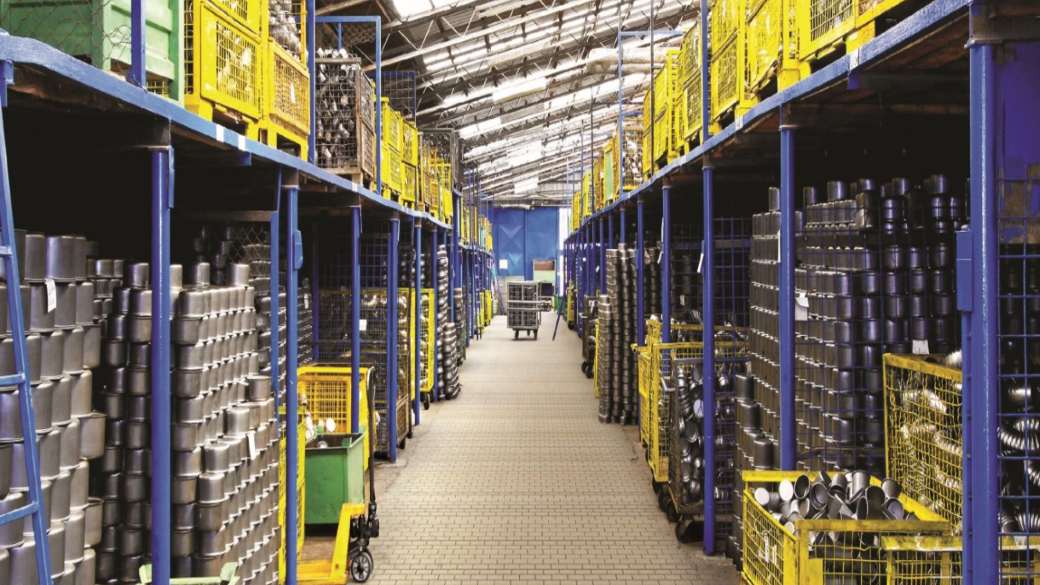
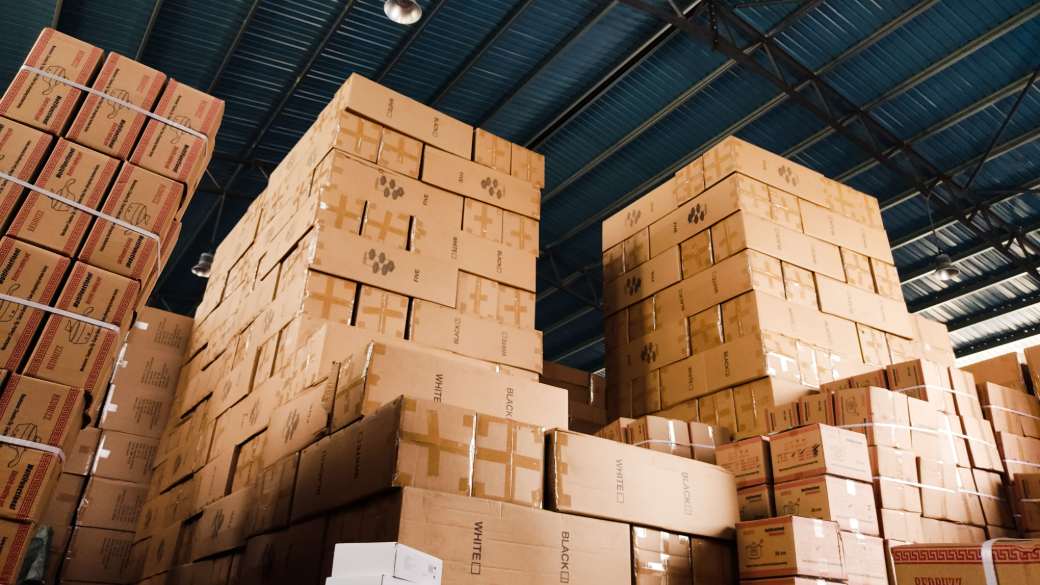
After the products arrive and are cleared, they need to be received into inventory.
This is an important stage that is often overlooked.
Businesses should verify quantities, inspect products according to their agreed quality-control process, record inventory, and organize storage.
6. Local Distribution and Fulfillment
Once inventory is available, products can be allocated to customer orders or distributed to retail and wholesale destinations.
For D2C businesses, this means connecting imported inventory to order management, warehouse operations, packaging, and local delivery.
Understanding the Total Cost of Importing From China to Bangladesh
One common mistake importers make is calculating profitability using only the supplier's product price.
The actual landed cost can include several components:
- Product purchase cost.
- Domestic transportation within China.
- International freight.
- Insurance, where applicable.
- Customs duties and taxes.
- Customs clearance and handling charges.
- Local transportation in Bangladesh.
- Warehousing and inventory handling.
The total cost should be calculated before deciding the selling price.
A product that appears inexpensive at the supplier level may have a very different cost once it reaches the local warehouse.
Why Import Fulfillment Matters for E-commerce Businesses
Importing products and fulfilling customer orders are closely connected.
Consider a D2C brand importing 2,000 units of a product from China.
After the shipment arrives, the business must:
- Receive and verify the products.
- Record available inventory.
- Organize products in the warehouse.
- Connect stock availability to its sales channels.
- Process incoming customer orders.
- Pick and pack products.
- Coordinate last-mile delivery.
Without an organized inventory and fulfillment system, businesses can lose visibility between the import stage and the final customer delivery.
An integrated approach to import fulfillment in Bangladesh helps connect these activities.
Common Challenges in China-Bangladesh Logistics
Supplier Coordination
Communication gaps can create problems with product specifications, production timelines, and shipment preparation.
Shipping Cost Uncertainty
Freight charges vary based on shipment characteristics, transportation methods, and market conditions.
Customs Documentation
Incomplete or inaccurate documentation can create delays and additional costs.
Inventory Visibility
Businesses need to know exactly what has been ordered, shipped, received, and made available for sale.
Local Distribution
Once goods arrive in Bangladesh, they still need to be stored and distributed efficiently.
How to Build a Better China-Bangladesh Supply Chain
A successful import operation should not treat international shipping as an isolated activity.
Businesses should build a connected process covering sourcing, purchasing, transportation, inventory, and fulfillment.
This includes:
- Maintaining accurate purchase orders.
- Tracking shipments and expected arrivals.
- Planning inventory requirements.
- Recording received quantities.
- Connecting warehouse stock with sales orders.
- Monitoring local delivery performance.
The objective is to reduce uncertainty throughout the supply chain.
How Nuport Supports Import and Fulfillment Operations
Nuport focuses on helping businesses connect their supply chain activities through technology and fulfillment solutions.
For businesses sourcing products internationally, the operational process does not end when a shipment reaches Bangladesh.
The products must be received, organized, tracked, and made available for customer orders.
Nuport's order management, inventory, warehouse, and delivery capabilities help businesses manage the local operational side of this process.
This creates a more connected workflow between imported inventory and domestic e-commerce fulfillment.
Final Thoughts
China-to-Bangladesh logistics involves much more than moving products between two countries.
The real challenge is coordinating the entire process, from supplier purchasing to final customer delivery.
Businesses that establish better visibility over shipping, inventory, warehousing, and fulfillment can make more informed decisions and build more reliable operations.
Importing from China to Bangladesh? Talk to Nuport about connecting your inventory, warehouse, and fulfillment operations.
Frequently asked questions
Talk to Nuport about your fulfillment
Tell us what you sell and how many orders you ship. We will show you how Nuport can store, pack and deliver them.